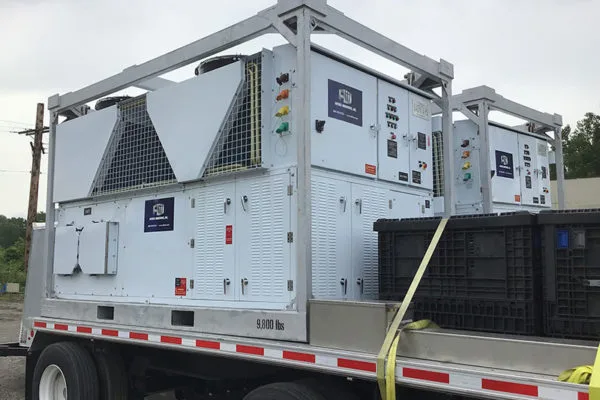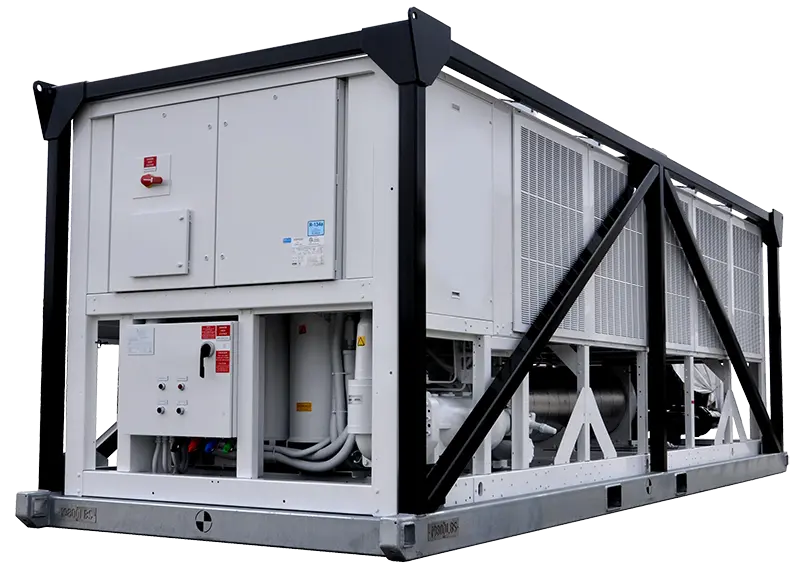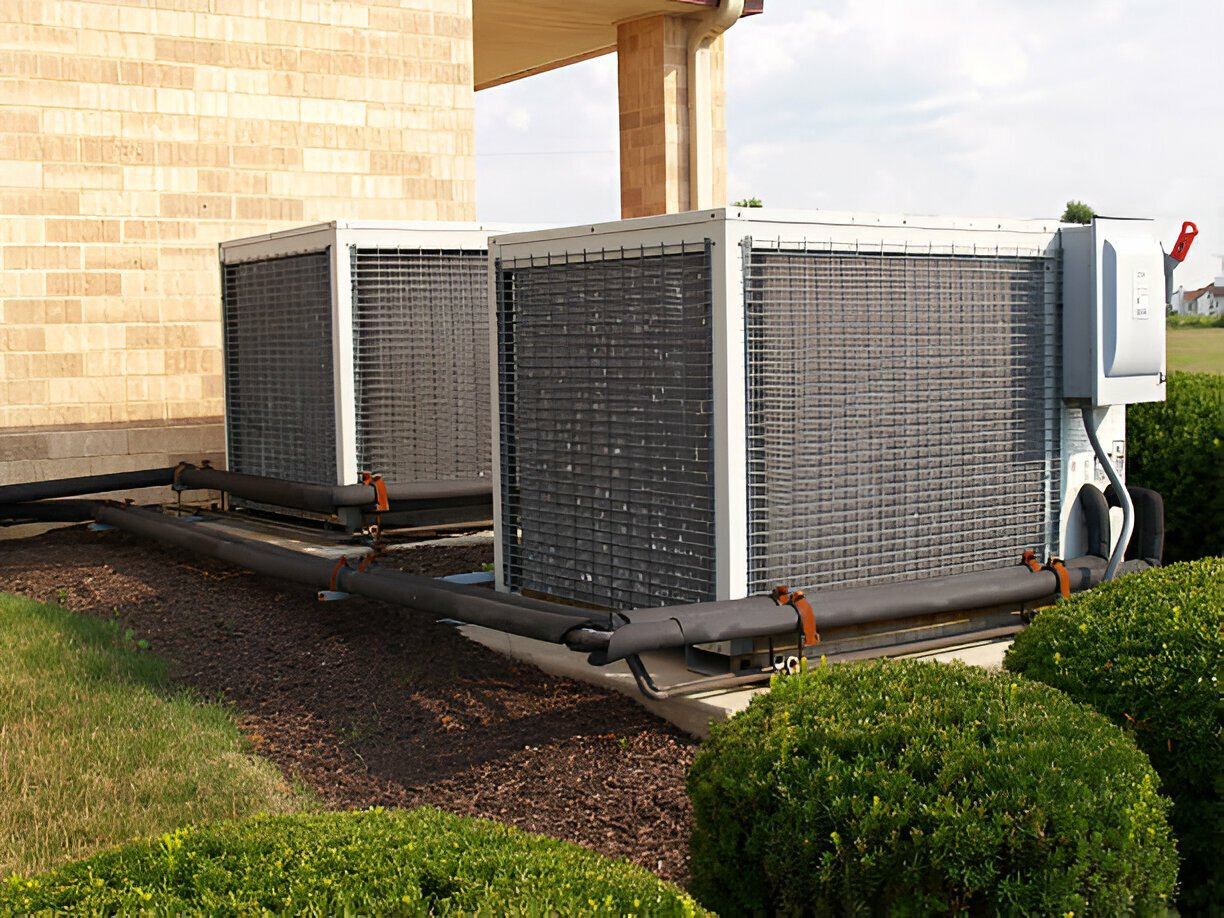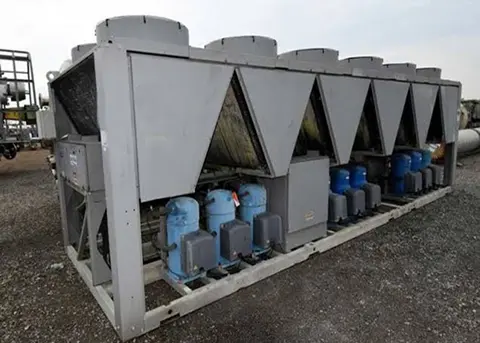
Unplanned HVAC breakdowns during 47°C UAE summer afternoons carry immediate financial, regulatory, and operational consequences: hotels face guest relocations, hospital operating theatres pause elective schedules, chilled logistics warehouses risk inventory spoilage, and mall tenants trigger lease penalties. Equally critical are planned seasonal maintenance turnarounds where permanent equipment must go offline safely. Temporary cooling specializes in rapid-response contingency architecture and seamless plant bridging with minimal downtime.
Contingency Cooling vs. Planned Maintenance Bridging
Effective temporary cooling splits into two disciplined operational tracks, each demanding tailored logistics and redundancy:
- Emergency Outage Intervention: Rapid dispatch of pre-tested chillers, self-contained packaged units, or modular AHUs within hours of compressor burnout, cooling tower motor seizure, district cooling isolation valve failure, or electrical chiller-board fire.
- Planned Overhaul & Turnaround Bridging: Pre-engineered external cooling loops tied in weeks or days ahead of scheduled permanent chiller replacements, tube retubing, refrigerant conversions, or DEWA/civil substation switchgear shutdowns—achieving zero loss of building temperature.
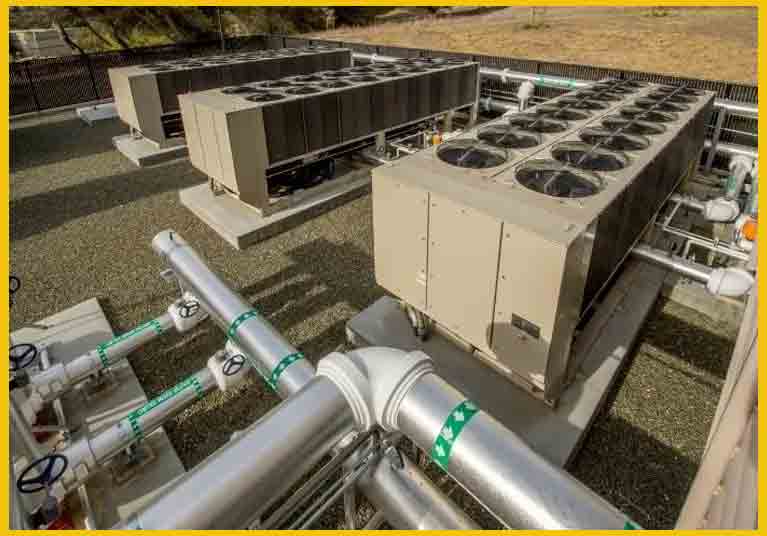
High-Consequence Failure Scenarios Across UAE Facilities
Across Dubai, Abu Dhabi, Sharjah, and Ajman, facility engineering directors turn to emergency temporary cooling when permanent plants experience unexpected stress:
- District Cooling ETS Isolations & Maintenance: Providing mobile heat-rejection capacity when primary district cooling headers isolate for valve swaps, meter recalibration, or trench repairs.
- Main Chiller Compressor Trip / Winding Burnout: Substituting 50 TR to 1,000+ TR external air-cooled chillers during multi-week OEM compressor lead times in peak July–August heat.
- Peak Summer Shaving (Supplemental Boost): Adding auxiliary pre-cooling on fresh-air makeup AHUs or overloaded south-facing glass facades when older permanent chillers lose capacity above 46°C ambient.
- Critical Redundancy (N+1) Upgrades: Backing up data center halls, pharmaceutical cleanrooms, MRI imaging suites, and financial trading floors ahead of storm-weather advisories or high-profile events.
| Deployment Tier | Target Mobilization Priority | Typical Equipment Set | Pre-Stage Readiness Requirements |
|---|---|---|---|
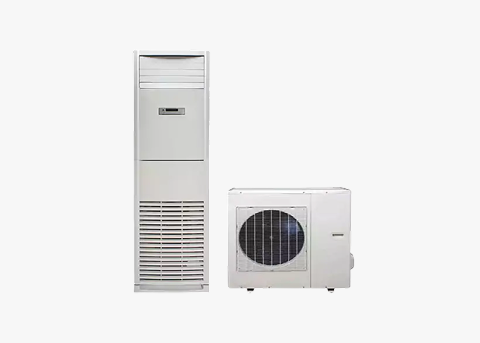
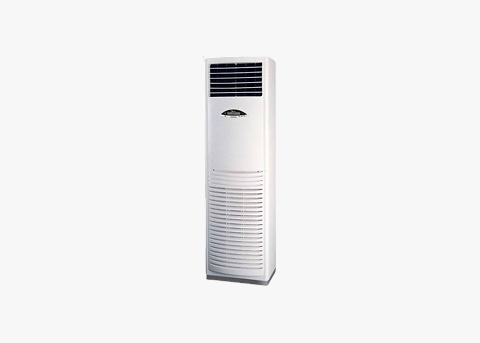
| Express Indoor / Room Rescue | Same-Day Van Dispatch | Portable Spot Coolers & Split AC | 220–240V socket + ceiling/corridor exhaust |
| Modular Hall / Canopy Cooling | Rapid Flatbed Mobilization | 10–35 Ton Packaged Units + Ducts | Exterior setback zone + 415V 3-Ph / Genset |
| Central Plant Chiller Bypass | Engineered Rigging Dispatch | 50–400+ TR Rental Chillers + Pump Skid | Flanged tie-in spool + crane/HIAB laydown |
| Zero-Downtime N+1 Redundancy | Scheduled Pre-Commissioned Tie-In | Parallel Chillers + Synch Power Array | Auto-changeover valves & redundant pumps |
How Pre-Engineered Emergency Cooling Readiness Cuts MTTR
Mean Time to Recovery (MTTR) during an unexpected chiller catastrophe shrinks dramatically when facility managers prepare simple "contingency tie-in points" before summer hits. Installing a pair of blind-flanged isolation tees (typically DN100 to DN200) on the building's main chilled water supply and return headers inside a loading bay or yard perimeter wall turns a complex 48-hour welding job into a straightforward 2-hour bolted camlock connection.
Our engineering team frequently performs pre-summer standby audits for hospitals, food factories, and 5-star hotels—mapping crane positioning distances, documenting breaker amperages, and sizing temporary chiller footprints on file so emergency dispatch requires a single phone call.
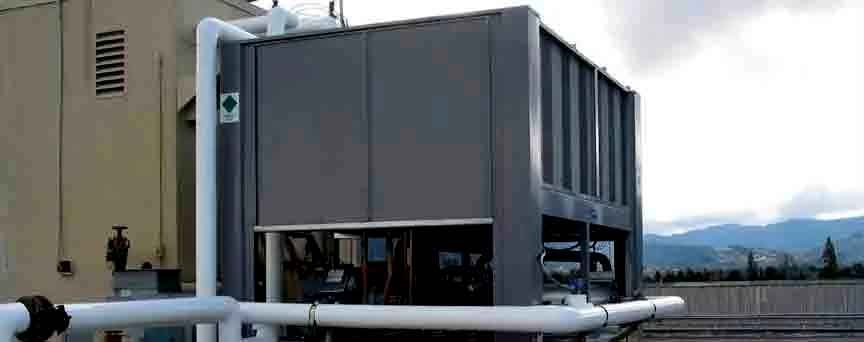
Integrating Emergency Power When Utility Feeders Are Tripped
Cooling failures frequently accompany broader electrical emergencies—transformer trips, main LV panel faults, or scheduled substation maintenance. Because our yard in AFZA Ajman operates integrated cooling and generation fleets side by side, a single mobilization brings synchronized temporary diesel power generation, armored power cables, automatic transfer coordination, and chilled water plants together under one dispatch coordinator.
Technical Safeguards Built Into Every Temporary Plant
- Hydraulic Integrity Checks: Pressure testing temporary hose joints above system operating pressure before opening main building isolation valves, preventing costly lobby or basement flooding.
- Phase & Rotation Protection: Phase-failure and phase-sequence relays installed across all temporary pumps and scroll/screw compressors to guard motors against site generator changeover transients.
- Automated Temperature & Flow Interlocks: Differential flow switches ensure compressors drop cleanly offline before evaporator tubes risk freezing under sudden night-time load drops.
- 24/7 On-Call Engineering Desk: Continuous escalation line (+971 56 921 3754) staffed to troubleshoot pressure alarms, clean fouled strainers, or deploy swap-out hardware immediately.
Typical Outage Recovery Timeline
- Emergency Call & Rapid Load Triage (Hour 0): Confirming failed asset tonnage, affected indoor spaces, header connection sizes, and emergency power status.
- Yard Load-Out & Pre-Dispatch Verification: Completing electrical Megger and run-up test checks at AFZA Ajman while flatbed transport routes to site.
- Site Rigging & Header Connection: Connecting flexible insulated hoses, priming buffer tanks, bleeding trapped air pockets, and locking safety interlocks.
- Stabilization & Permanent Repair Transition: Holding indoor temperatures smoothly while our chiller repair specialists diagnose and restore permanent building systems—or smoothly transitioning into a scheduled annual maintenance plan.
Related Emergency Cooling, Power & Repair Divisions
- Turnkey Rental Cooling Architecture — Multi-zone chillers, pump skids, and indoor AHUs.
- Rental Chiller Fleet — Individual air-cooled, water-cooled, and low-temp brine units.
- Corrective Chiller Repair — Getting your permanent chillers back online fast.
- Contracted Emergency Power — Rapid site electrical restoration paired with cooling.
Building a Zero-Panic Contingency Blueprint for Critical UAE Assets
Every summer across UAE industrial zones and hospitality corridors, the difference between a minor two-hour maintenance hiccup and a full commercial shutdown comes down to pre-planning. Hospitals, dairy/food cold warehouses, pharmaceutical distribution depots, data centers, and five-star resorts lose thousands of dirhams per hour once indoor temperatures drift past compliant thresholds.
Putting a zero-cost Contingency Readiness Survey on file before an emergency strikes captures four essential site metrics in advance:
- Verified Tie-In Flange Geometry: Pipe nominal diameter (DN100/150/200), ANSI/PN bolt-circle standard, valve isolation status, and whether building static height requires plate heat exchanger isolation.
- Verified Breaker & Emergency Power Path: Nearest spare MCCB breaker amps, lug sizing, and alternate yard parking pad for emergency diesel generation if building transformers lack headroom.
- Rigging Pad & Gate-Pass Clearance: Truck approach width, crane outrigger slab loading limits, and security pass contacts for rapid 24/7 entry.
- Pre-Calculated Tonnage Tiers: Separating "Critical Life/Inventory Load" (minimum tonnage to save stock/servers immediately) from "Full Comfort Load" so phased mobilization prioritizes critical spaces first.
Managing Planned Turnarounds: Retubing, Cooling Tower Swaps & ETS Overhauls
Temporary cooling is equally vital during scheduled infrastructure upgrades. When district cooling plants execute underground valve replacements, cooling tower fill packs need crane removal, or building management replaces twenty-year-old screw chillers, our external rental plant connects safely onto blind-flanged bypass spools beforehand, proves stable chilled water handoff under full afternoon sun, and stays online seamlessly until new permanent assets clear 72-hour reliability trials.
Sector-Specific Contingency Continuity: Healthcare, Cold Stores & Towers
Emergency temporary cooling carries vastly different operational thresholds across commercial building classes:
- Healthcare Clinics, Diagnostic MRI Bays & Laboratories: MRI superconducting magnets and CT scanner rooms require chilled water loops holding tight leaving-temperature limits continuously—even brief cooling loss triggers expensive magnet quench protection shutdowns. Rapid redundant temporary chiller skids preserve diagnostic imaging appointments smoothly while permanent heat exchangers undergo servicing.
- Food, Confectionery & Pharmaceutical Logistics Warehouses: Regulated municipal storage tolerances require uninterrupted temperature logging. Combining external packaged DX blowers or temporary chilled-water AHUs protects cold-chain inventory compliance and keeps municipal auditors satisfied during permanent compressor swaps.
- Hotels, Serviced Residences & Commercial Malls: Protecting guest satisfaction and tenant retail uptime means acoustic discretion alongside speed: low-noise external chillers parked discreetly near service yards feed central risers cleanly without tearing open finished guest corridors.
Executing Smooth Permanent-to-Temporary Plant Handovers
Switching a live building smoothly from an ailing permanent plant onto a newly mobilized temporary cooling loop without creating water hammer or air locks takes methodical hydronic sequencing:
- Pre-charge, flush, and vent the entire temporary chiller and flexible hose loop while the temporary isolation butterfly valves remain tightly closed.
- Run temporary buffer circulation through a bypass valve until temporary loop water temperature cools down matching the building's current return water temperature (~10°C–14°C)—avoiding sudden thermal shock.
- Verify pump differential pressure matches existing building loop pressure cleanly, then smoothly crack temporary isolation valves open while coordinating permanent pump shutdown so chilled circulation never pauses.
Why Having Dual-Fleet Capability Cuts Outage Risk in Half
During sudden plant trips, waiting on one cooling rental vendor while separately chasing a power contractor, cable supplier, and crane operator turns a four-hour emergency into a two-day crisis. Having cooling chillers, packaged DX systems, high-pressure pumps, and diesel generators stocked together inside our AFZA Ajman yard consolidates scheduling, transport, electrical tying, and 24/7 engineering escalation under a single phone line.
Temporary Cooling During Cooling Tower Refurbishment & Structural Repairs
Every five to ten years, commercial towers and industrial plants across the UAE face messy mechanical turnarounds—replacing decayed cooling tower PVC fill packs, patching corroded basin steelwork, or pulling primary chilled water isolation valves for seat replacement. Without temporary cooling bridging the bypass header, towers must shut down entire office tenants or industrial shifts across hot weekends. Deploying pre-piped air-cooled temporary chillers outside loading yards decouples building heat rejection from permanent cooling towers completely—allowing mechanical contractors to rebuild towers safely in full daylight with zero tenant disruption.
Frequently Asked Questions About Temporary Contingency Cooling
How quickly can temporary cooling arrive during an unexpected summer breakdown?
Following technical scope confirmation (tonnage, tie-in flanges, and power availability), our AFZA Ajman dispatch yard mobilizes stocked portable units same-day and truck-mounted chillers/packaged units immediately across Dubai, Sharjah, Ajman, and Abu Dhabi.
Can temporary cooling run quietly beside active hotel rooms or hospital wards?
Yes. We deploy low-noise acoustic chiller packages and position outdoor packaged equipment behind perimeter baffles or acoustic barriers while routing silent air/water lines indoors.
What if our facility has no blind flanges prepared for external chiller tie-in?
Where direct header flanges are unavailable, we can deploy external packaged DX units blowing cool air directly into loading bays, lobbies, or AHU fresh-air intakes—or execute temporary hot-tapping/spooling via mechanical contractors.
Is temporary cooling cost-effective during a multi-month chiller lead time?
Yes. Weekly and monthly corporate rental rates avoid emergency business-interruption losses, perishable inventory spoilage, and tenant compensation claims while waiting on OEM compressors or coils.
Can we inspect a Contingency Cooling Plan before an outage happens?
Yes. Our engineers conduct pre-summer site walkdowns for hospitals, cold stores, factories, and towers so exact hose lengths, tie-in flanges, and crane zones are documented in advance.
Do you also repair the failed permanent chiller once temporary cooling stabilizes the site?
Yes. Our electromechanical service teams provide fault diagnostics, leak repair, compressor overhaul, and AMC coverage alongside temporary rental support.
Does Hire Equipments charge retainer fees to survey our site for an emergency contingency plan?
Our engineers conduct pre-summer site walkdowns and record tie-in specs for commercial and industrial facility managers so emergency dispatch parameters are documented clearly ahead of critical failures.
Can temporary cooling handle low-temperature cold rooms as well as human comfort spaces?
Yes. Alongside comfort HVAC temperatures (+6°C to +12°C water or 18°C–24°C air), specialized glycol-loop chillers protect medium-temperature food/pharma staging rooms during permanent compressor outages.
Can temporary cooling run for just two or three days over a weekend maintenance shutdown?
Yes. Weekend and short-term contingency turnarounds are common; early weekday staging lets us connect, hydro-test, and commission temporary chillers ahead of Friday isolation so permanent plants go down smoothly.
How do you protect finished driveways or interlock tiles where temporary chillers sit?
Heavy skids sit atop protective load-spreading timber sleepers and anti-vibration rubber mats, keeping hydraulic fluids clean and preventing surface staining or tile cracking.